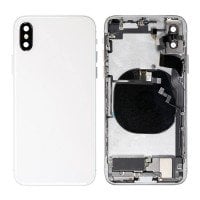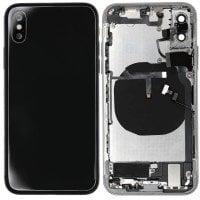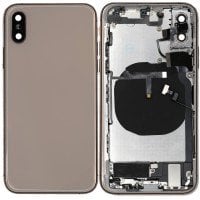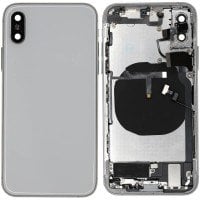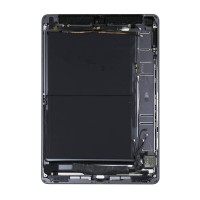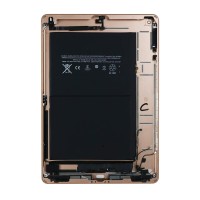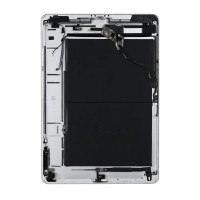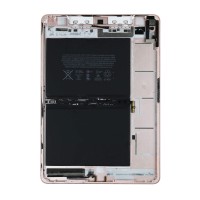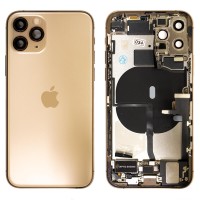
Rear Housing Grades Explained
Every rear housing we sell has been pulled from a used device and passed through our in-house quality team before it reaches the shelf. Functionally they are all the same standard: sound, complete and free from defects. What separates the grades is cosmetic condition, and that is what lets you price a job properly rather than paying for a finish the customer does not need.
| Grade | Cosmetic condition | Typical use |
|---|---|---|
| Grade A | Minimal to no visible marks. | Resale devices and repairs where the finish is part of what the customer is paying for. |
| Grade B | Light signs of use, visible on close inspection. | The workhorse grade. A near-new result without the Grade A premium. |
| Grade C | Clear wear, marks and small scuffs. | Sensible repairs on older devices where function outweighs appearance. |
| Grade D | Heavy signs of usage. | Budget repairs, donor work, and devices being kept alive rather than made pretty. |
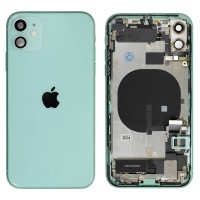
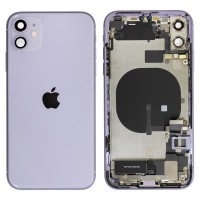
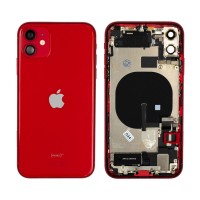
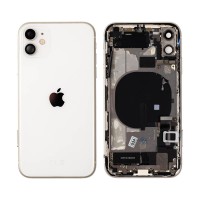
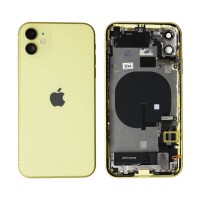
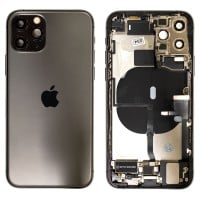
Colour availability varies by model and grade, since these are recovered parts rather than a manufactured line. If you need a specific colour in volume, a trade account gives you visibility of incoming stock before it hits the site.
About iPhone & iPad Rear Housing Replacement
A rear housing replacement is the most involved job on the bench short of a board repair. The housing is not a cover that unclips: on a modern iPhone it is the chassis, and every internal component has to come out of the old one and go into the new one. Screen, battery, charge port flex, cameras, Taptic Engine, speakers, antennas, brackets and every screw. Budget the time accordingly, and quote it as a strip-and-rebuild rather than a parts swap.
Because of that, housing work usually makes commercial sense in two situations: a device with real resale value whose back glass or frame is destroyed, and a water-damaged or badly bent device being rebuilt around salvaged internals. For a simple cracked back glass on a newer model, compare the housing route against back-glass-only replacement before committing — on some models the glass is separable and the labour is far lower.
Fitting Notes for Trade
Two things catch people out. First, the IMEI: the device's real IMEI lives on the logic board, so fitting a different housing does not change the phone's identity — but the IMEI laser-etched on the old housing or SIM tray will no longer match what the phone reports. Note it on the job sheet and tell the customer, because it looks alarming on a later check and is the most common source of a comeback conversation.
Second, Face ID and Touch ID. Those modules are paired to the logic board, so they must be transferred from the original device intact. A damaged Face ID flex during a housing transfer cannot be fixed with a replacement part — it is gone for good. Work slowly around the TrueDepth assembly, keep the screws sorted by position, and replace the perimeter adhesive and any waterproof seals on reassembly. For the parts to finish the rebuild, see our iPhone batteries, iPhone screens and repair tools.
Rear Housing FAQs
What do the A to D grades actually mean?▾
Does replacing the rear housing change the phone's IMEI?▾
Will Face ID or Touch ID still work after a housing swap?▾
Which iPhone and iPad models do you stock housings for?▾
Is a housing replacement worth doing, or should I replace the back glass?▾
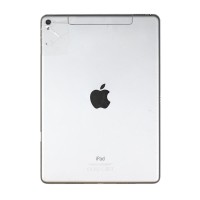
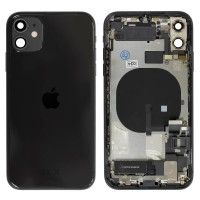
Replacement rear housings for iPhone and iPad, recovered from used devices and individually inspected by our in-house quality team. Every housing is fully functional and free from defects, graded A to D so you can match the part to the job and the customer's budget. A range of original colours across the iPhone 8, X, XR, XS, 11, 12 and 13 families and beyond, with same-day UK dispatch on orders placed before 5:45pm.
Trade and Retail Buyers Welcome
Rear Housing Grades at a Glance
Grade A
Our highest grade. Minimal to no visible marks. For repairs where finish matters as much as function.
Grade B
Light signs of use, visible on close inspection. The usual choice for a good-as-new result at sensible cost.
Grade C
Clear wear including marks and small scuffs. Sound and fully functional, priced accordingly.
Grade D
Heavy signs of usage. For budget repairs, donor work and devices where cost is the only concern.