A screen job can be profitable or it can consume an hour of bench time before the handset even reaches the customer. For repair shops and refurbishers looking to buy refurbished iPhone displays wholesale, the difference usually comes down to correct model identification, a clear definition of screen grade, and a supplier that can keep core stock moving.
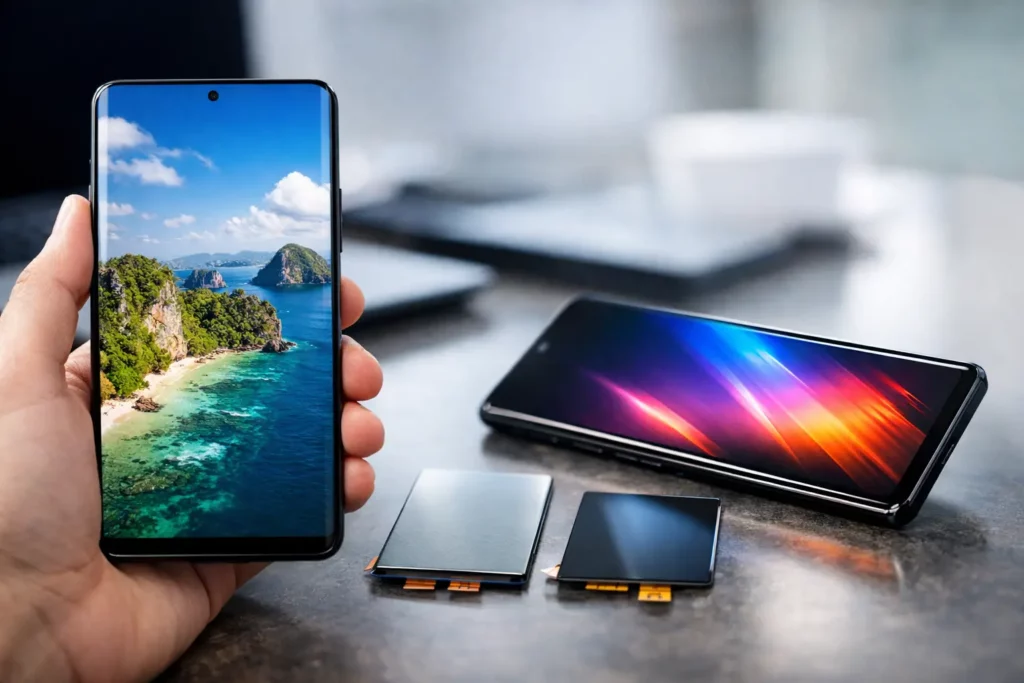
Refurbished displays are a practical option for Apple repairs because they retain an original display assembly while replacing the damaged front glass. That can make them particularly attractive where customers expect original OLED or LCD performance but are working to a price-sensitive repair budget. They are not interchangeable with every type of replacement screen, however, and buying on unit price alone can create avoidable returns, repeat repairs and lost margin.
Why refurbished iPhone displays suit repair trade stock
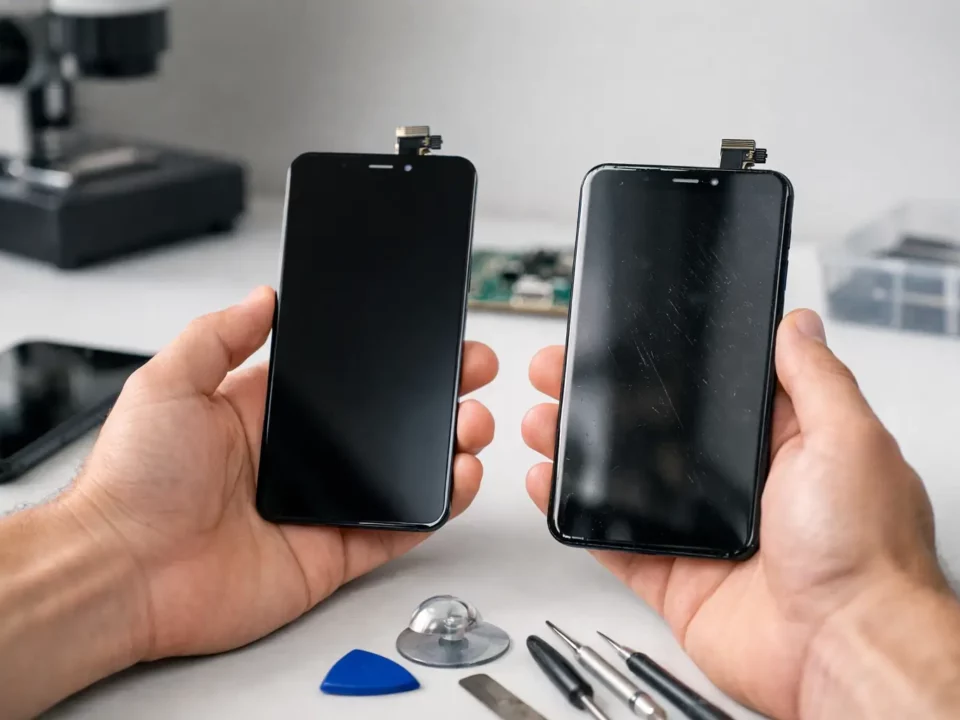
A refurbished iPhone display is generally an original pulled screen that has had its cracked or damaged glass removed and replaced. The original display panel and flex assemblies remain in place where possible. This matters because the underlying Apple panel is responsible for much of the brightness, viewing angle, touch response and colour performance customers associate with their handset.
For OLED iPhones, refurbished screens can offer a strong middle ground between premium original service packs and lower-cost aftermarket alternatives. A good refurbished unit may preserve the deep blacks and responsiveness of an original OLED panel, while reducing the cost of a repair. On LCD models, the same principle applies: retaining an original panel can help deliver a familiar image and touch feel.
There are trade-offs. Refurbished stock is dependent on donor-screen availability, so supply can vary by model and condition. The glass has been reworked, meaning quality depends heavily on the refurbishment process and final testing. It is also essential to set customer expectations properly. A refurbished display is not the same as a factory-new Apple service part, even when the panel itself began life as original equipment.
Identify the exact iPhone before ordering
The word “iPhone 12 screen” is not enough for a purchase order. iPhone 12, 12 mini, 12 Pro and 12 Pro Max all use different display assemblies. The same applies across the iPhone 13, 14 and 15 families, where similar names can conceal differences in size, connector layout and panel specification.
Confirm the precise model from the handset settings where possible, or use the model number printed on the device. Check the display size and device generation against the repair booking before picking stock. This takes less time than handling a misordered part, arranging a return and delaying the customer collection.
Technicians should also consider whether the frame is damaged. A display-only assembly may be the right stock choice when the handset frame is straight and the repair is routine. If the chassis is bent, the frame lip is distorted or the old screen is heavily bonded to a damaged housing, fitting a display with frame can reduce installation time and lower the risk of pressure damage to the replacement panel. The better option depends on the condition of the device and the repair process used in your workshop.
Consider the parts transferred during the repair
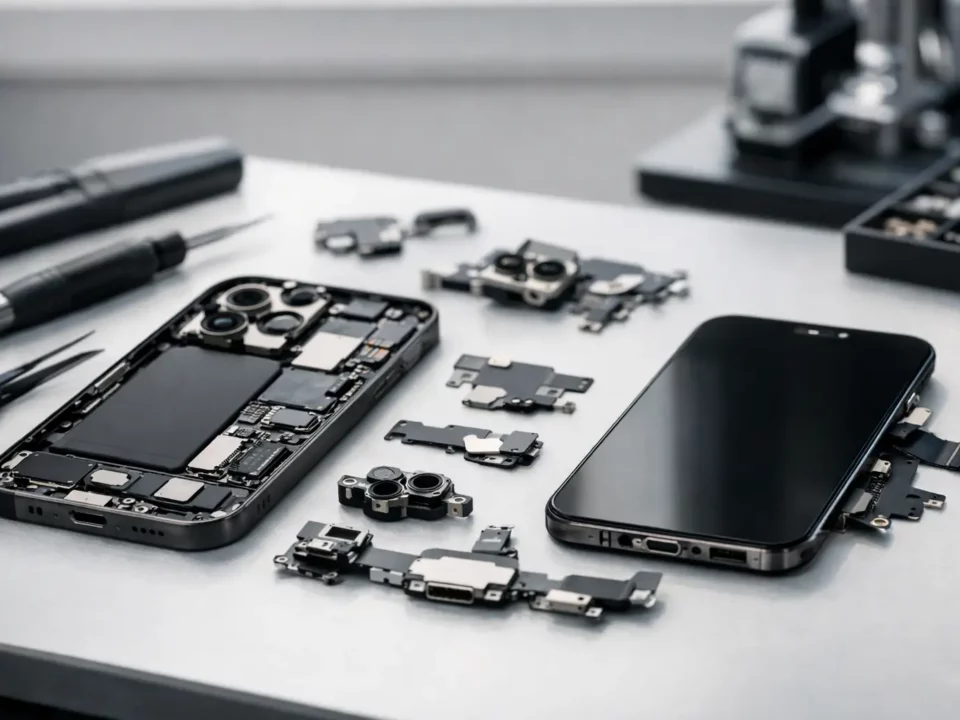
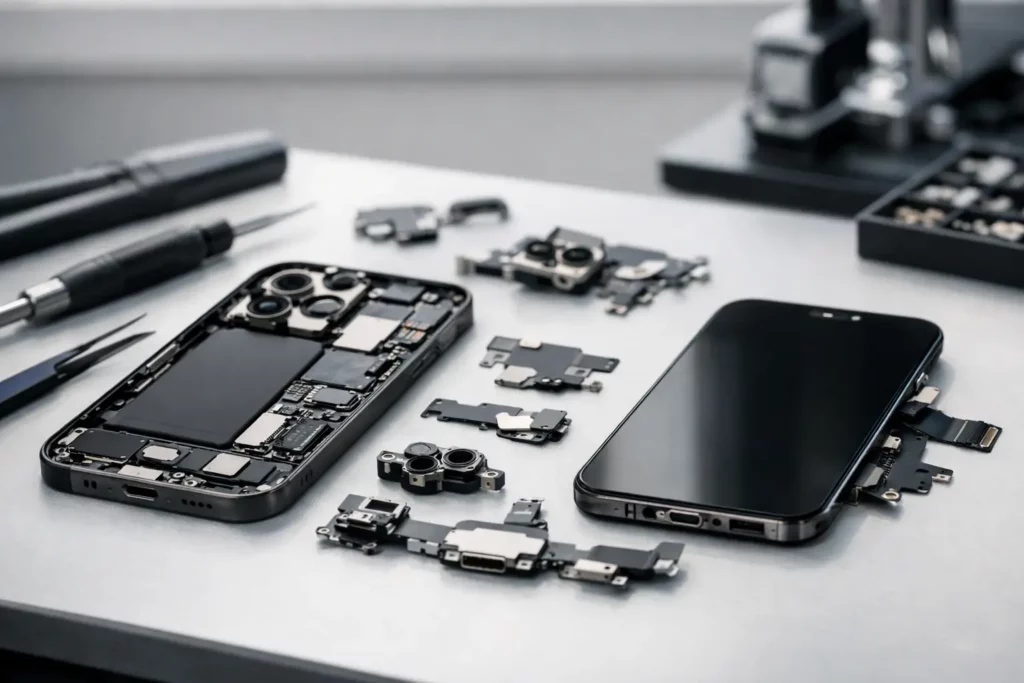
Many iPhone screen repairs require the transfer of the original earpiece speaker, front sensor assembly, brackets and related components. On supported models, retaining and transferring original paired parts can be necessary to preserve functions such as Face ID. Damage during removal can turn a straightforward screen repair into a more complex job.
Build this into the quoted labour time. A refurbished display may offer a good component cost, but the final repair margin must account for adhesive removal, component transfer, resealing and post-repair testing. For high-volume work, consistent technician procedures are as valuable as the purchase price.
What to check when you buy refurbished iPhone displays wholesale
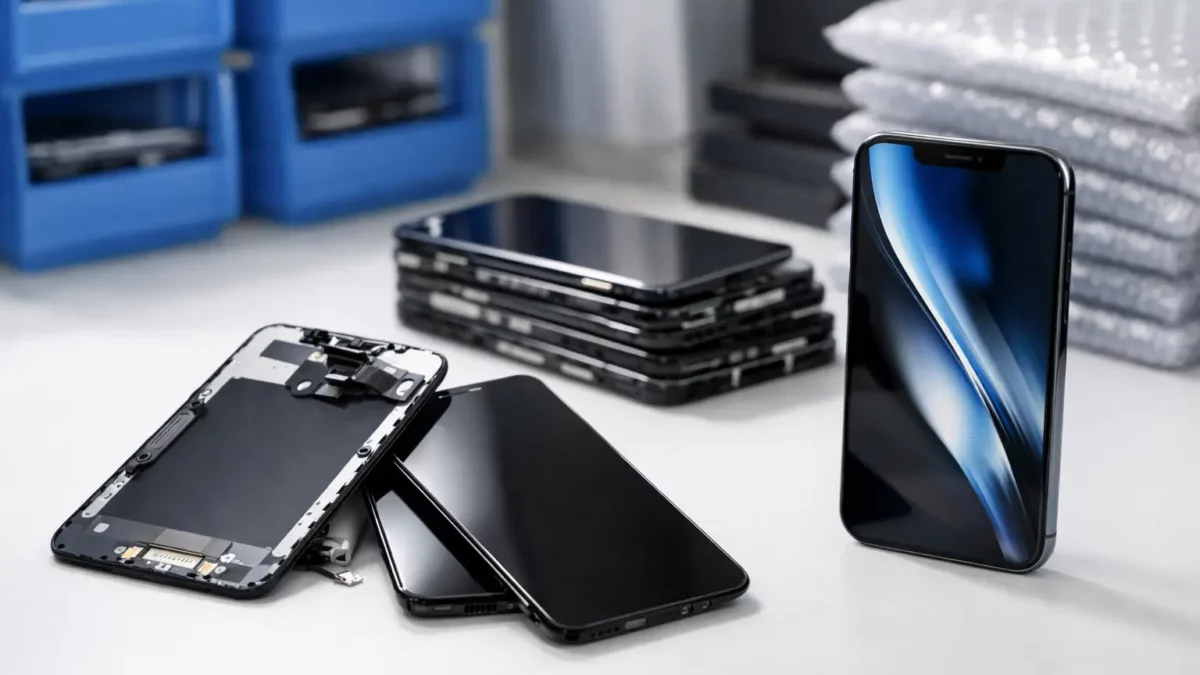
A wholesale screen order should be assessed on usable yield, not just the advertised unit cost. A small saving disappears quickly if a batch creates fitting issues, cosmetic complaints or early failures. Ask how the displays are categorised and make sure the product description distinguishes refurbished screens from aftermarket compatible screens and new service-part alternatives.
The condition of the panel is central. A refurbished screen should have a clean replacement glass surface, reliable touch response and a display free from distracting defects. Check the supplier’s stated testing approach and inspect each unit before fitting, especially when receiving a larger delivery. Connect the display and test it before final adhesive is applied.
Your pre-fit checks should cover touch across the full panel, brightness control, image quality, proximity function where relevant, front-camera operation after transfer, and any signs of dead pixels, flickering, ghost touch or abnormal tint. Also examine the flex cables and connectors for damage. This is a quick quality-control step that protects both the workshop and the customer.
Cosmetic tolerances should be considered too. A repair business serving insurance work, premium resellers or high-value refurbished handsets may need the highest available cosmetic grade. A shop handling older, lower-value models may reasonably choose a more cost-conscious option, provided the grade is accurately represented in the quotation. The right grade is the one that matches the handset value and the customer’s agreed repair standard.
Manage True Tone, warnings and customer expectations
Modern iPhones can display an “Important Display Message” after a screen replacement. This is linked to Apple’s component pairing and calibration processes. It does not automatically mean the replacement display is faulty, but it should be explained before work begins so the customer is not surprised at collection.
True Tone retention can also depend on the model, the original display data and the method used during repair. Some workshops use display programmers to copy relevant data from the original screen before replacement. This is a technical process, not a reason to make blanket promises. If the original screen is unreadable, heavily damaged or missing, data transfer may not be possible.
Be clear in your own job notes: explain whether True Tone is expected to remain available, whether a display notification may appear, and which functions have been tested at handover. Straightforward communication avoids disputes and makes the repair feel professional rather than uncertain.
Stock the models that actually create repair demand
Wholesale buying works best when stock follows your repair history. Do not tie up cash in every iPhone display generation simply because it is available. Review the last three to six months of jobs and identify the devices that repeatedly come through the door. For many UK repair businesses, that includes a mix of older LCD models, high-volume OLED devices and the current generations common in contract upgrades and resale stock.
Keep a working quantity of your fastest-moving screens, then use replenishment points based on weekly demand and supplier lead time. A model that sells four times per week should not be replenished in the same way as a screen ordered once every two months. Separate retail repair stock from refurbishment-project stock where practical, as a large resale batch can otherwise empty the shelf needed for walk-in repairs.
It also helps to keep a sensible spread of screen types. A premium refurbished option gives you a strong quote for customers who prioritise original-panel performance. A compatible alternative may be appropriate for lower-value handsets where repair cost is the deciding factor. Present the choices accurately and let the customer decide based on price, intended use and device condition.
Buy from a supplier that supports accurate picking
Speed only helps if the part arriving is the correct one. A repair-focused supplier should organise displays by exact iPhone family, model and screen type, making it easier to locate the required component without searching through vague universal categories. Clear availability information matters just as much when a customer is waiting for a same-day repair.
For UK workshops, dependable domestic dispatch, practical order tracking and accessible support can be worth more than a marginally cheaper imported unit. When a model is difficult to source or a part needs clarification, you need an answer that helps the technician complete the job, not a generic product description.
iParts4U supplies refurbished screens alongside a broad range of iPhone repair components, allowing trade buyers to source displays, batteries, charging parts and housings through a model-led catalogue. Consolidating suitable parts with one specialist supplier can simplify purchasing and reduce time spent chasing stock across multiple orders.
Protect the margin after the screen is fitted
The screen replacement is not complete when the adhesive is pressed down. Test the device again after reassembly, including touch, display brightness, cameras, earpiece, proximity sensor and charging where the handset has been opened extensively. Check that the screen sits flush and that no sharp glass, dust or trapped cables are present around the frame.
Record the screen type fitted and any customer acknowledgement of repair messages or feature limitations. This gives your team a consistent handover process and makes future support easier if the handset returns. It also helps identify whether a particular model or batch is creating more aftercare than expected.
The best wholesale buying decision is the one that produces a reliable repair, a clear customer conversation and enough margin to keep the bench moving. Choose the exact model, inspect the part before final fitment and stock according to real repair demand – the routine behind a profitable iPhone display operation.