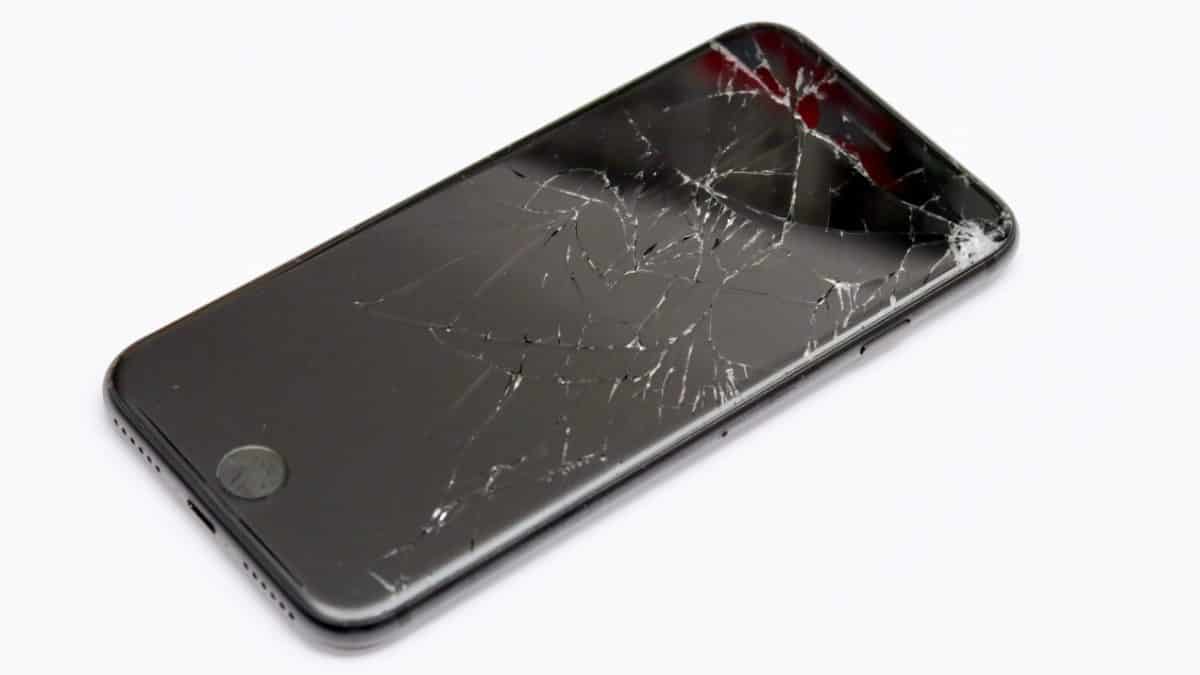
Have you ever broken your iPhone screen?
In the United Kingdom, people spend nearly £700-billion fixing broken smartphone screens. That’s nearly £20-million every single day.
If you’re a distributor of smartphones, you know that because of this fact, people are also buying phones every second. That’s good business for you. However, if you’re looking to sell phones that are already equipped with cheap iPhone screens, you might actually be in trouble.
What Role Does a Wholesaler Play?
First of all, what does a wholesaler do? In the channel of distribution, a wholesaler is a party that acquires a good and distributes it to stores. For example, Sam’s Club takes goods from manufacturers and sells them to the public, so they’re a wholesaler.
If you’re a wholesaler, you likely already know who you are. When you’re looking at which iPhone screens to choose, you have a choice between cheap iPhone screens and iPhone screens that cost you a little more. Cheaper seems to be a no-brainer, but here’s why it’s not.
Why Cheap iPhone Screens are Actually Costing You
In American households, 84% of people have a smartphone. That number is only continuing to rise
That’s music to a wholesaler’s ears, but maybe not if you’ve been selling iPhone parts and have been using cheap iPhone screens.
Better Quality Equals a Better Reputation
Needless to say, users are not satisfied when their phone screens break easily. That’s the sign of a cheap iPhone and a cheap iPhone screen.
When people buy a new screen for their iPhone or buy a new iPhone that’s been refurbished, they’re automatically expecting to get their money’s worth. To the average user, one iPhone screen doesn’t look too much different from the rest. But to a wholesaler, a cheap price tag stands out.
That is until the phone screen breaks. Immediately, the user will know that cheap materials were used, and the customer or retailer that purchased that phone or phone screen from you might consider severing ties.
If your products hold up through the test of time, you’ll gain a good reputation in the eyes of your customers instead of having your business deals cut.
Spending a little extra money instead of springing for cheap phone repair will pay off for you in the long run.
False Advertising
When you’re advertising your iPhone screens and replacement parts, users will tend to do their research. In a world where information is more and more readily at everyone’s fingertips, it doesn’t take a long time to comparison shop.
When you show the details of the product you’re offering for distribution, if you don’t want to lie, you’ll have to twist your words. For example, you might say that you’re selling a real LCD display that comes with frame assembly. What the word “real” could actually mean, though, is that it’s not new but refurbished.
Other issues you might run across are having aftermarket parts, or reclaimed parts that have come from other broken screens. If you go for the cheap option, you might have to twist your words when it comes to describing your iPhone screens.
People will be able to see through the way you might be trying to advertise your cheap parts, and choose to go with someone else who’s selling high-quality replacement screens or replacement phones.
Brand Infringement
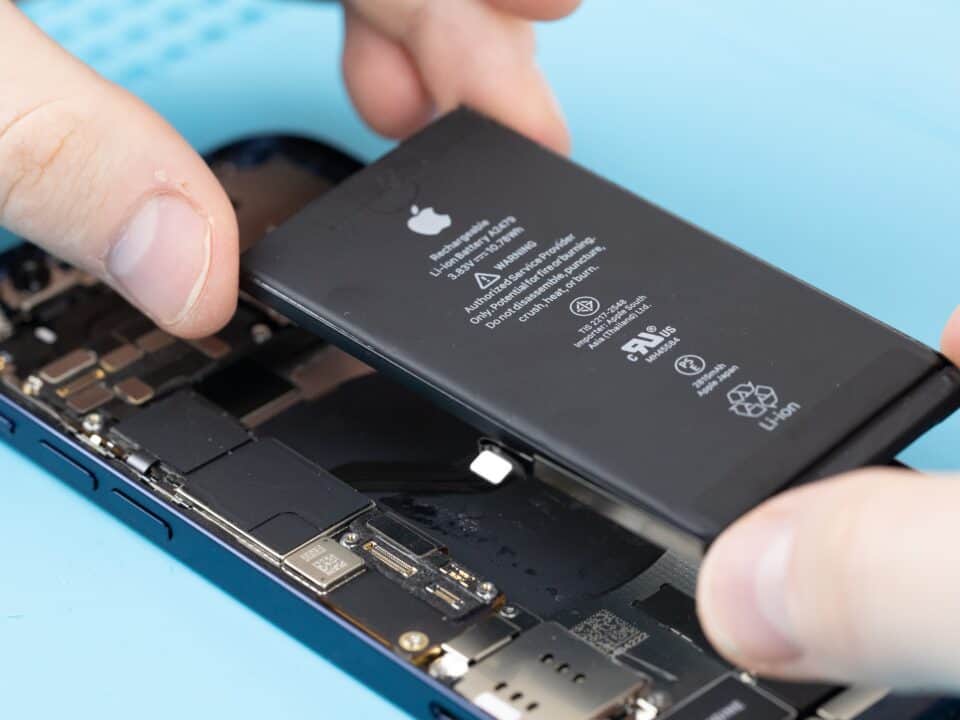
You might also face brand copyright infringement if you choose to sell cheap iPhone screens with a fake original manufacturer logo. You cannot sell any iPhone part with an Apple logo or trademark name. You cannot claim you are selling original iPhone parts or even new iPhone parts as the genuine article as this is not correct.
Even if you did actually get your hands on real iPhone parts and are selling them, you won’t be authorised to sell genuine Apple parts as Apple do not permit third party companies to sell such goods.
There’s a reason that they say honesty is always the best policy: not only will the people you’re trying to sell your parts to see through you, but companies are also on the hunt for people who are trying to falsify their claims about what exactly is being sold.
Price Variations Are a Red Flag
When companies and users are comparison shopping, price is a huge driving factor in what people decide to purchase.
However, if you’re selling a product that’s much cheaper than the rest of the products on the market, users are sceptical. Sure, having the lowest price is a good thing, but people will question why.
If your price is low because your quality is low, that information isn’t going to stay hidden for long. There’s a reason why low quality is cheaper than a high-quality, trustable screen, and people will be able to take notice of that.
If someone sees a price that’s much higher or much lower than another, they know that they’ll be sacrificing quality, the potential for new parts, or possibly a warranty.
Purchasers Know What to Ask
Oftentimes before someone buys parts from you, they’re going to have questions. When someone is purchasing LCD screens from a supplier, they might have a standard set of questions they’re going to ask.
They could ask if the LCD screen is made by the same company that an authorised store might sell. They could ask if the parts are new or refurbished. They could ask if the touch panel is new and if it’s from an authorised company.
Chances are if you can’t answer yes to these questions, then you’ve lost a customer.
Better Quality, Better Business
If you’re selling cheap iPhone screens, see how much more successful you are when you up your quality. Before you know it, you might be fixing foldable phones as well.
This can be a lesson that bleeds over to other aspects of your business. If you sell other products, having higher quality will keep a customer coming back again and again, instead of creating a lot of unhappy people and bad reviews. Your name is important, and creating quality products gives you that good name.